
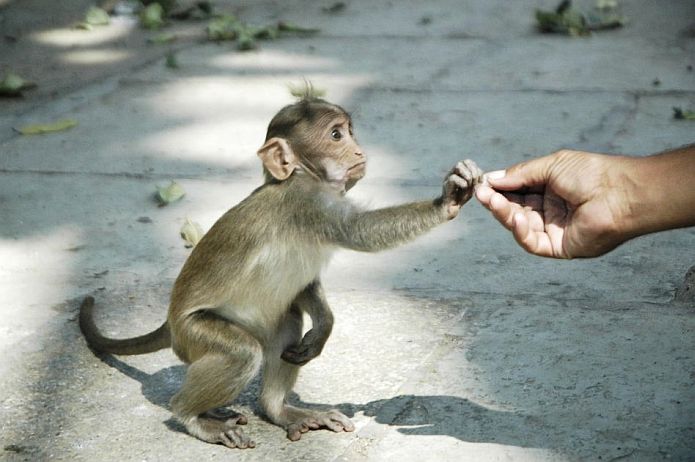
Kyasanur Forest Disease (KFD) or Monkey disease was creating regular headlines in all newspapers in the northern parts of Kerala, India very recently. If you are planning to visit these areas and want to learn more about the disease including the steps to prevent the potentially fatal disease, you should read this article.
Kyasanur Forest Disease, also known as”Monkey disease” or “Monkey Fever” is a viral disease characterised by fever, haemorrhages, body pain and transmitted to humans through the bites of infected ticks.The disease was first discovered in 1957 in the Shimoga district of Karnataka state in India. The first cases of the disease were evidently associated with the death of monkeys in the locality and hence the name “monkey disease”. In 2015, however, newer foci of the disease have been discovered especially in the tribal areas of northern parts of Kerala involving the Wayanad and Kannur districts. The disease is gaining the attention of healthcare workers in the area because of the ease of its spread and the mortality associated with it.
In 1980s, there was an outbreak of KFD affecting about 3000 persons and taking the lives of nearly 85 (case fatality of 3%)
Transmission
KFD virus is a member of the Arbovirus and genus, Flaviviridae. Rats, mice and squirrels are the main reservoirs of the virus. Monkeys acts as the amplifying host of the virus. Monkeys can also get infected with the virus and die from the disease. Cattle roaming in the forest area can also act as reservoir of KFD Virus.
Hard ticks ( Haemaphysalis) are responsible for the transmission of the virus to the humans.
Humans get affected when they visit the forest particularly in the months from January to June.
There is no evidence of human to human transmission.
Symptoms and Signs
KFD has a clinical presentation which is very similar to Dengue Fever in the initial days.
The disease starts with high-grade fever with chills, headache and severe body ache. Bleeding from nose, gums, stomach and intestine can occur in severe cases. Though the disease is self limit in most of the cases, some affected persons develop dangerous complications.Like in the tick borne Eastern Encephalitis, chances of developing meningo-encephalitis is present in some cases of KFD. This usually occurs late, taking about 7 to 21 days after the onset of fever. This phase of the disease is a dangerous period and is characterised by neck stiffness, tremors, projectile vomiting, visual deficits and mental disturbances.
Diagnosis
KFD can be diagnosed by determining the presence of virus in blood by electron microscopy or by using serological test.
Treatment and Prevention
No specific treatment is available for the disease. The mainstay of treatment revolves around the supportive care for suspected cases.
Steps to manage fever, encouraging fluid intake, and measures to control bleeding disorders should be taken.
Vaccines : killed and live attenuated vaccines are available to prevent KFD in individuals living in high risk areas.
Tick Control : Spraying with insecticides like carbaryl, Fenthion in forest areas identified as hot spots should be done.
Personal protection : Use full covering clothing’s and insect repellant like dimethyl phthalate (DMP).
Avoid sitting or lying down on the forest grounds.
Interesting Reading >> Tips to prevent Mosquito bite!
Image credit:-Vivek Joshi
